

Reducing the cost per invoice in an accounts payable operation is essential for businesses looking to streamline their operations, reduce costs, and improve their bottom line. There are many different ways this outcome can be achieved, but first, let’s define how cost per invoice is determined:
Cost per invoice = (Total personnel costs + Total overhead costs + Total technology costs + Other costs) / Total number of invoices processed
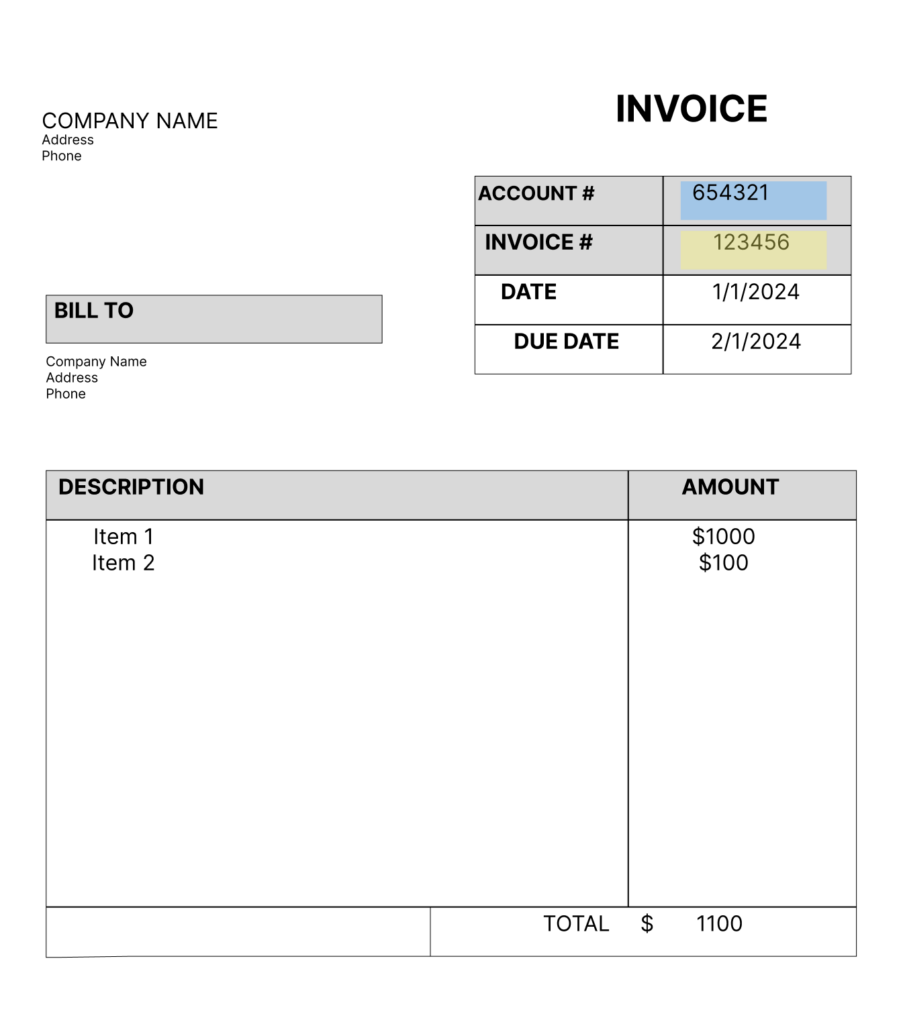
Reducing Cost Per Invoice
Automate Invoice Processing
Automating the accounts payable process can significantly reduce the cost per invoice by minimizing manual intervention, reducing errors, and increasing efficiency. Use an automated accounts payable system that captures invoices electronically, matches invoices to purchase orders, and routes them through a workflow for approval.
Implement a Purchase Order System
Implementing a purchase order system can help prevent over-billing and eliminate duplicate payments. This can reduce the number of invoices processed, thereby reducing the cost. Implementing systems can also help reduce errors in many different areas.
Negotiate Vendor Terms
Negotiating favorable vendor terms, such as discounts for early payment or bulk purchases, can reduce the cost per invoice by lowering the invoice amount. Also, when paying invoices, use best-of-term calculations that compare contract price, PO price, and invoice price, and pay based on the lowest of the three.
Use Electronic Payment Methods
Electronic payment methods, such as ACH transfers or credit card payments, can reduce costs by eliminating paper checks and associated mailing costs. Overall, reducing the amount of paper used by your organization can greatly assist in saving money on invoices.
Consolidate Vendors
Consolidating vendors can reduce the total number of invoices processed and the associated administrative costs, such as vendor setup and maintenance. Although this isn’t always possible or beneficial, if there are a number of vendors that offer redundant products or are particularly difficult, your organization may benefit from consolidation.
Use a Cloud-Based AP Solution
Cloud-based accounts payable solutions can offer cost savings in terms of hardware, software, and maintenance costs. This can also enable remote access and processing, as well as reduce the need for on-site IT support. There are many different kinds of cloud-based solutions, so it is easy to find options that will work well for your organization.
Capture Discounts
Capturing discounts can lower your invoice costs, but will require an efficient AP process so the invoice is processed for payment in time to earn the discount. Programs like dynamic discounting or supply chain finance can also be very effective drivers for lowering your overall invoice cost.
Utilize Vendor Portals
Using vendor or supplier portals can lower invoice costs by reducing the time and cost of vendor-related research and greatly reducing or eliminating emails and phone calls from vendors. A vendor portal also enables the receipt of invoices electronically, allowing the use of PO flips to create a touchless process.
Conduct Regular Audits:
Conducting regular audits can help identify discrepancies and errors in the accounts payable process. This can prevent overpayments, duplicate payments, fraud, and other mistakes that can increase costs.
- Automation can reduce the cost of processing an invoice.
- Consolidating vendors and negotiating vendor terms are two things you can do in advance with your vendors to reduce costs.
- Using electronic payment methods and capture discounts with your vendors can make processing less manual, leading to lower costs.
Conclusion
Overall, reducing the cost per invoice in an accounts payable operation requires a combination of process improvements, AP automation, and vendor management. By implementing these strategies through a collaboration between AP, Procurement, and Finance, businesses can reduce costs, improve efficiency, and increase profitability. In these challenging economic times, take a fresh look at your cost per invoice and determine if you can lower it using some of the strategies discussed above.
To learn more about how to lower your cost per invoice, or for a demonstration of cloud-hosted AP automation solutions, please contact ICG. You can also take a moment to watch this brief video to learn more.