

Vendor onboarding is critical for businesses to ensure that new suppliers meet standards and are ready to provide services effectively. Your business can employ various tools and software solutions to streamline this process and ensure compliance. The vendor portal is one of the most powerful tools for onboarding new vendors quickly and efficiently. This blog will discuss why portal-based vendor onboarding solutions are so effective.
Vendor portals house many different tools needed to onboard vendors. Portals are especially important for companies with many vendors. This is because portals serve as a centralized location for data and vendor communication. Some available tools within a vendor portal for onboarding are data and document collection, TIN verification, collection and validation of insurance and licenses, customizable vendor packets, diversity qualification and compliance, and more.
ICG’s Portal-Based Solutions
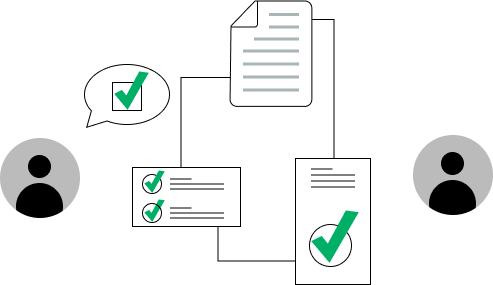
For ICG Innovations, portal-based onboarding solutions center on secure, self-service Vendor Onboarding & Admin portals designed to streamline supplier intake and maintain compliance.
Key solutions and features considered portal-based onboarding under the ICG framework include:
- Vendor Packets: Custom digital forms that collect standardized operational data, payment methods, tax forms (e.g., W-9/W-8), diversity classifications, and insurance certificates tailored to specific vendor types or regulatory needs.
- Automated Data Validation & Fraud Prevention: Native, real-time integrations that automatically cross-reference supplier data against government watchlists, verify IRS tax IDs, and validate domestic or international banking details without sending the user off-site.
- Compliance & Expiration Tracking: Systems that continuously monitor compliance items—such as expiring licenses, insurance policies, or certifications—and trigger automated notifications for renewals to prevent lapses.
- ERP-Agnostic: “Bolt-on” workflows that validate and pass clean, approved vendor master records directly into core accounting software or ERP systems (such as SAP, Oracle, or NetSuite) without manual re-entry.
- Audit Trail & Role-Based Workflows: Complete logging of all submitter interactions, communications, and internal approvals to ensure audit readiness and role-restricted security.
Benefits of Portal-Based Vendor Onboarding
Using vendor portal-based tools allows your organization to shift the burden of data and document capture, collection, storage, and more back onto the vendor. Utilizing workflows for review and approval from various departments can further streamline the onboarding process.
Different vendor onboarding tools offer unique advantages to enhance your organization’s procurement process. Some tools excel at automating data entry and verification, reducing manual errors, and accelerating onboarding times. Others prioritize risk assessment and compliance and ensure only qualified vendors join your supply chain. Additionally, certain tools focus on communication and collaboration, facilitating efficient information exchange between your organization and new vendors.
Since there are so many different vendor onboarding tools, having one place to house all of the functionality your company needs is imperative. Not only does a vendor portal make it easier for you to keep track of your new vendor activity, but your prospective vendors will also appreciate the clarity and ease with which they can get started with your company. After the vendor onboarding process, the portal can continue to be used for vendor self-service opportunities, such as uploading invoices or changing crucial information.
Start Now
ICG has highly modular, portal-based vendor onboarding solutions deployed as cloud-based, single-tenant-hosted applications. Customizations that don’t affect your ERP can also be made based on your specific organization’s needs. Contact ICG today for more information, or request a demo to see how ICG’s vendor onboarding tools can benefit your organization.