

In the financial back office, the accounts payable approvals process ensures that company funds are disbursed accurately and in accordance with established policies. A well-defined and efficient process prevents errors and fraud and significantly impacts cash flow and vendor relationships.
The Accounts Payable Approvals Process
The accounts payable approval process outlines the steps an invoice takes from receipt to payment. This typically involves several key stages:
- Invoice Receipt and Data Entry: The process begins when an invoice arrives, either physically or electronically. Key information, such as vendor details, invoice number, date, amount, and line items, is entered into the accounting system.
- Coding and Allocation: Each invoice line item needs to be correctly coded to the appropriate general ledger account and cost center. This ensures accurate financial reporting and budget tracking.
- Routing for Approval: This is where the accounts payable approval process truly comes to life. Based on predefined rules, the system intelligently routes the invoice to the designated approver(s).
- Review and Approval: Approvers examine the invoice, verifying its accuracy, adherence to purchase orders (if applicable), and the legitimacy of the expense. They then either approve or reject the invoice.
- Payment Processing: Once approved, the invoice moves to the payment stage, where payment is scheduled and executed.
- Record Keeping: Finally, all relevant documents and payment details are meticulously recorded and archived for future reference and audits.
Who Are the Approvers?
Approvers are individuals within an organization who hold the authority to authorize payments. Their role is crucial in maintaining financial control and ensuring that expenditures are legitimate and necessary. The specific approver(s) for an invoice often depend on factors such as:
- Department: Invoices related to marketing expenses might be routed to the Marketing Manager, while IT invoices go to IT Directors.
- Amount: Higher-value invoices often require approval from senior management to ensure greater scrutiny.
- Cost Center: Expenses incurred by a specific project or department might need approval from the respective budget owner.
- Nature of Expense: Certain types of expenditures might necessitate specialized approval.
Clearly defining roles and responsibilities for approvers is fundamental to a smooth and efficient accounts payable approval process.
How Workflows Improve the Approvals Process
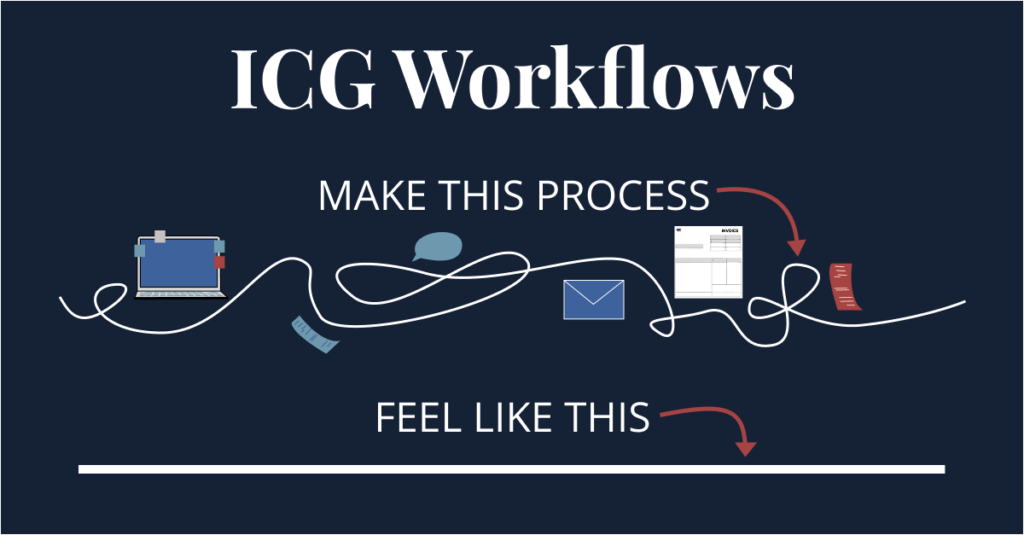
By implementing a digital accounts payable approval process with intelligent workflows, organizations can unlock substantial time savings and efficiency gains:
- Automated Routing: Workflows automatically direct invoices to the correct approver(s) based on predefined rules, eliminating manual routing and delays.
- Faster Approval Cycles: Approvers receive instant notifications and can review and approve invoices electronically from anywhere, at any time, significantly accelerating the approval timeline.
- Reduced Paperwork: Digital workflows minimize or eliminate the need for physical documents, saving time on printing, filing, and searching.
- Improved Visibility: Both the accounts payable team and approvers gain real-time visibility into the status of each invoice, reducing the need for status inquiries and follow-ups.
- Enhanced Communication: Built-in communication tools within workflow systems allow for seamless communication and clarification between accounts payable and approvers.
- Audit Trails: Digital workflows automatically create a comprehensive audit trail of every action taken on an invoice, providing transparency and simplifying audits.
Organizations can help their approvers manage their responsibilities efficiently and free up valuable time for more strategic tasks. By embracing automated workflows for the accounts payable approval process. Simultaneously, the accounts payable team benefits from a streamlined process, reduced errors, and improved overall productivity.
A well-designed accounts payable approval process, especially when coupled with the power of automated workflows, drives greater efficiency and control within your organization.