

The sheer volume of information generated by back-office operations can be overwhelming, especially as organizations grow. From financial transactions to procurement processes, organizations are inundated with a vast amount of data. However, without proper context, this data fails to provide meaningful insights and actionable outcomes, which is where contextualizing OCR-captured data with AI comes in.
Data is undeniably valuable, but without context, its usefulness decreases drastically. Within back-office operations, invoices serve as a critical source of financial data. Yet, simply capturing this data through Optical Character Recognition is not enough. By harnessing the power of AI to contextualize back-office invoice data captured through OCR technology, businesses can find more value in their financial data and also drive smarter, more informed decisions.
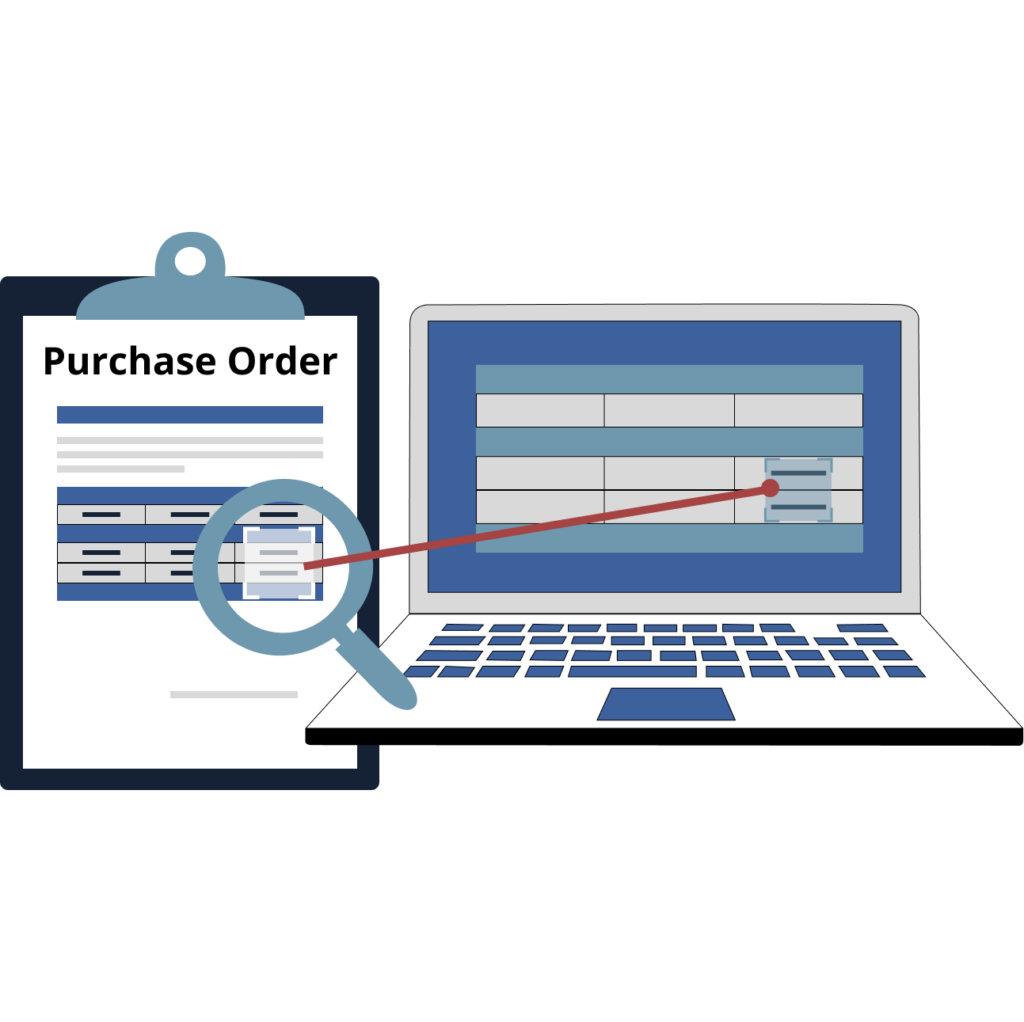
Leveraging AI for Contextualization
AI revolutionizes the process of contextualizing back-office data by employing advanced algorithms to analyze and interpret information. By training AI models on vast datasets, organizations can teach these systems to recognize patterns, detect anomalies, and therefore make predictions with remarkable accuracy. When applied to OCR-captured invoice data, AI can contextualize each transaction within its broader business context, enabling businesses to uncover hidden insights and identify actionable opportunities.
How Does AI Drive Actionable Intelligence
The true power of contextualizing back-office data with AI lies in its ability to drive actionable intelligence. By contextualizing invoice data, businesses can:
1. Optimize Procurement Processes: AI-powered contextualization allows organizations to identify cost-saving opportunities, negotiate favorable terms with suppliers, and streamline procurement workflows.
2. Enhance Financial Planning: By analyzing invoice data in conjunction with historical trends and market forecasts, businesses can improve cash flow management, optimize budget allocation, and mitigate financial risks.
3. Detect Fraudulent Activities: AI algorithms can flag suspicious transactions, detect irregular patterns, and identify potential instances of fraud, helping organizations safeguard their financial integrity and reputation.
4. Improve Compliance: By contextualizing invoice data with regulatory requirements and internal policies, businesses can ensure compliance with legal and financial regulations, consequently reducing the risk of penalties and fines.
Conclusion
In the era of big data, context is king. By harnessing the power of AI to contextualize back-office data, organizations can transform raw information into actionable intelligence, while driving smarter decision-making and unlocking new opportunities for growth and success.
Don’t let your data go to waste – start contextualizing OCR-captured data with AI and unleash the full potential of your back-office operations. Contact ICG today to start a conversation about how to start using OCR paired with AI to streamline your back-office processes in a new and innovative way, or learn more here. You can also request a demo of one of our vendor management solutions and see for yourself how your company can take advantage of OCR and AI. For a quick view of ICG’s solutions, view this video.